How to remove mold from my bathroom after water damage
Discover practical steps for removing mold from your bathroom after water damage in West Palm Beach.
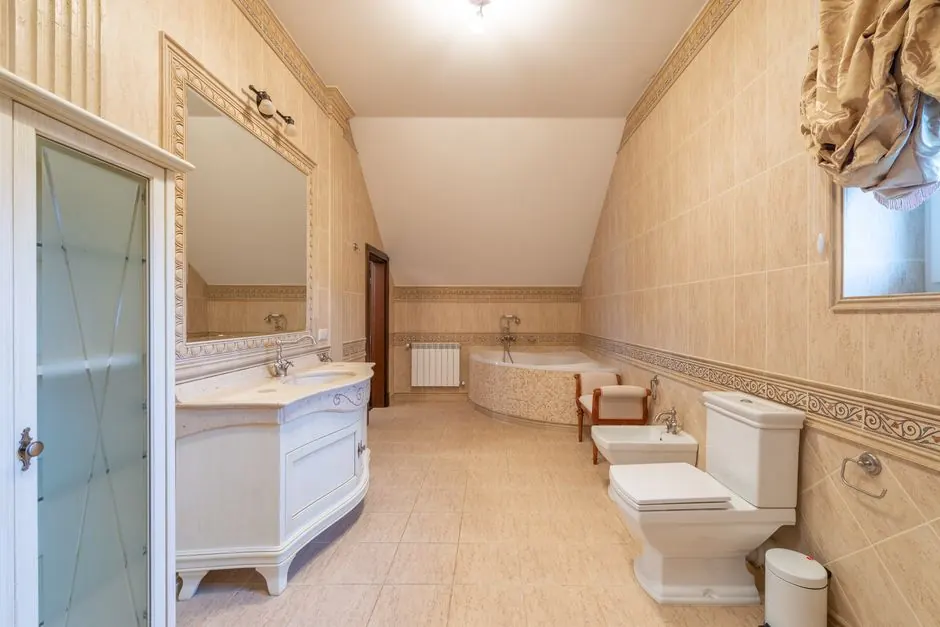
Mold can develop rapidly in bathrooms after water damage, often within 24-48 hours. To effectively remove mold, it's crucial to address the moisture source and clean the affected areas thoroughly.
This article provides a detailed guide on how to remove mold from your bathroom after experiencing water damage in West Palm Beach, including practical steps and tips to prevent future growth.
Why Mold Grows in Bathrooms After Water Damage
Mold thrives in damp environments, making bathrooms particularly vulnerable after water damage. The combination of high humidity levels and moisture from leaks or flooding creates an ideal breeding ground for mold spores.
Step-by-Step Guide to Remove Mold
Follow these steps to effectively remove mold from your bathroom:
- Identify the Source of Moisture: Before you start cleaning, ensure that the source of water damage is addressed. This may involve fixing leaks or improving ventilation.
- Gather Your Supplies: You will need protective gear (gloves, mask, goggles), a scrub brush, a spray bottle, and cleaning solutions like vinegar, baking soda, or commercial mold removers.
- Prepare the Area: Ensure the bathroom is well-ventilated by opening windows or using a fan. This helps reduce humidity and improves air circulation.
- Apply Cleaning Solution: Spray the affected areas with your chosen cleaning solution. For a natural option, mix equal parts of vinegar and water in a spray bottle.
- Scrub the Mold: Use a scrub brush to scrub the moldy surfaces thoroughly. Be sure to focus on grout lines, corners, and any porous materials.
- Rinse and Dry: Rinse the surfaces with clean water and dry them completely to prevent mold from returning.
After cleaning, consider applying a mold-resistant sealant to surfaces prone to moisture. This can help protect against future mold growth.
Common Mistakes to Avoid
When removing mold, avoid these common mistakes:
- Using bleach: While bleach may kill surface mold, it does not penetrate porous materials and can lead to regrowth.
- Ignoring ventilation: Failing to improve ventilation can lead to a recurrence of mold.
- Not wearing protective gear: Mold can be harmful to your health, so always wear gloves and a mask during cleanup.
When to Call a Professional
If mold covers a large area (greater than 10 square feet), or if it has penetrated deeply into walls or ceilings, it's best to contact professionals for mold remediation West Palm Beach. They have the tools and expertise to safely remove mold and prevent its return.
Frequently Asked Questions
1. How long does it take to remove mold?
Removing mold can take a few hours to a couple of days, depending on the extent of the infestation and the methods used.
2. Can I use vinegar to remove mold?
Yes, vinegar is effective for removing mold from non-porous surfaces. Spray it on and let it sit for an hour before scrubbing.
3. How can I prevent mold from returning?
To prevent mold, ensure proper ventilation, fix leaks promptly, and use dehumidifiers in humid conditions.
4. Is mold removal covered by homeowners insurance?
Coverage for mold removal varies by policy. Check with your insurance provider to understand your coverage.
5. What should I do if I experience mold after flooding?
Immediately contact a professional for water damage restoration services and begin the mold removal process as soon as possible.